
Online dating has become a routine part of modern life, yet many people feel more frustrated than hopeful when they open their favorite apps. Safety concerns, paywalls, endless swiping, and the sense that major platforms are built to maximize profit rather than create real relationships have pushed many singles to look for something better.
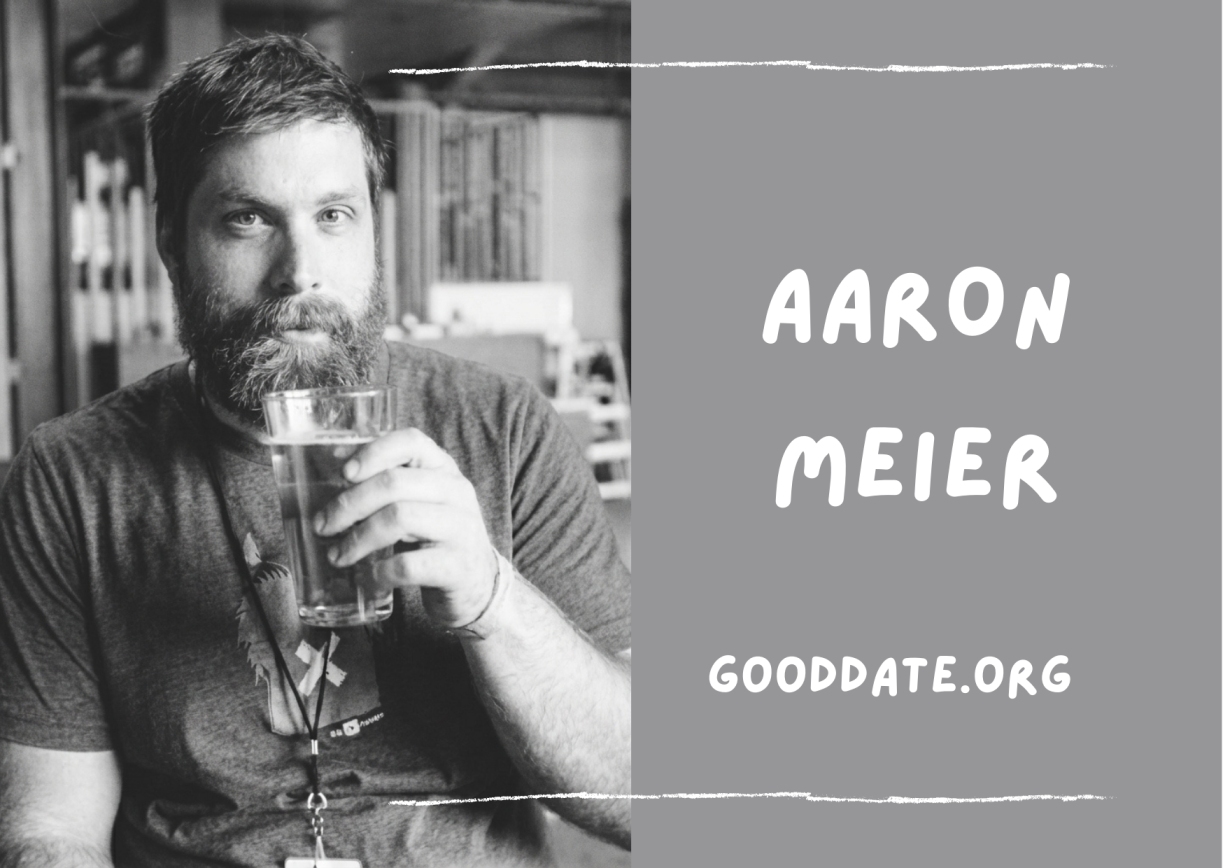
GoodDate, a free nonprofit dating app founded by software engineer Aaron Meier, is trying to offer a different path. His approach centers on values, safety, transparency, and human connection, and it has already attracted users who want something more honest and grounded from the experience.
Below is our conversation with Aaron about why he built the platform, what separates GoodDate from the usual players, and how he hopes to change the way people meet.
What moment pushed you to build a nonprofit dating app and step away from the typical profit-driven model used across the industry?
The idea started with complaints about the apps from single friends. One friend talked about how he felt like just an inconsequential fish in a sea of many. Another mentioned that she felt unsafe with the way most apps work. I had a great conversation with a couple of licensed counselor friends to work out how something like this might work.
It was a lot of things, but if I had to pick a single biggest moment that lit the fire to actually build the platform it was probably when I read about an assault that occurred from a known bad actor on a popular app – and then learned that Tinder, Hinge, OkCupid, Pof, and Match are all owned by the same parent company.
You’ve spoken about frustration with existing platforms. What problems did you see that GoodDate tries to fix directly?
The primary problem as I see it is: apps prioritize engagement over both safety and actual matchmaking. They don’t effectively remove bad actors, many don’t offer background checks or age verification, they don’t respect your settings and resurface matches you have blocked, they let users contact you and see your photos without action from you, or they simply don’t care what makes a good relationship – only what keeps you swiping on (and paying for) the app.
I could go on and on about the litany of issues I take regarding the current online dating scene. The more I research, the more incensed I become. Like I had recently watched another friend fight off upsells while trying to show me how he uses a popular app. It seems like a bad experience for everyone but the shareholders.
GoodDate uses a weighted comparison of values and needs. How did you shape this matching approach and why focus on relationship-ready traits instead of surface-level preferences?
Several studies have explored what makes a relationship work. These tend to reflect the anecdotes of licensed couples counselors. What really matters in a relationship? It turns out it’s a lot more than just a photo and a catchy tagline. So by blurring photos until likes are exchanged and only presenting people above a minimum compatibility score we cut out the snappy dressers with poor values.
The why is simply that we legitimately want this to do what it aims to do – create happy couples.
Most major dating apps sit under the same corporate group. How does independence and nonprofit status change the experience for users who are tired of the standard model?
The biggest single change is that matches are based on effort (how many questions you answer, how you put together your profile) rather than how much someone spends. The pay-to-win mechanics of tiered subscriptions aren’t applicable in a totally free service.
So people tend to first notice the lack of ads and upsells trying to get them to pay for “ultra premium unlimited likes.” After that, people tend to express surprise that the platform basically says “tell us about yourself, upload some photos, and leave” – we’ll email you when we see new matches or need you to do something!
You built the entire platform yourself. What part of the process tested your skills the most, and what part felt the most rewarding?
The entire time I was building this I had a lot of self doubt but that didn’t get to me until it came to the algorithm. It turns out that making something this involved takes a lot of research and time to get right, and my confidence was perhaps bigger than my ability. It had to not only be simple in that it is explainable and transparent, but also quite complex to match across potentially hundreds of questions without costing an arm and a leg to host.
The algorithm was both the most challenging aspect and by far the most rewarding when I realized that it was actually working. I still can hardly believe we pulled it off!
Many people feel disconnected today. How do you see a values-driven dating app contributing to healthier relationships and better digital communities?
It seems that we’re so divided that our default position when approaching someone is to look for the bad, and I believe the current online dating scene reinforces that default position.
When we know our values are aligned ahead of time we can let our guard down just enough for real connection to be possible. So in that sense, my hope is this approach will build some trust in our fellow humans in addition to deep connections.
Running a free platform comes with practical challenges. What keeps GoodDate sustainable, and how do you hope the community will support its long-term growth?
Over my career I’ve been fortunate enough to build a bit of savings to keep the platform running and scalable for many years, and as such we do not accept donations at this time. Long-term the goal would be donations. Right now we are a registered Montana nonprofit, but have an open 501(c)3 application. This should enable donors to feel comfortable with giving to the platform, but we hope to never need to actively solicit donations from the community.
If enough people sign up then I believe GoodDate’s community will continue to grow. Right now we’re seeing heavy growth without breaking a sweat!
When you picture GoodDate five years from now, what impact do you hope it has had on how people meet, date, and build real connections?
I think we (myself and the other nonprofit members) would feel like we’ve won in life if this new concept leads to successful, fulfilling, deep connections. For me, there’s something special about knowing I made an actual positive impact, and I’m willing to keep fighting for it.
If that’s not how it turns out – though I believe it will turn out that way – then I guess we just hope it forces the current app monopoly to rethink their “profits over people” approach.
From the editor…
GoodDate reflects a belief that online dating should be safer, kinder, and more honest. Aaron’s vision centers on long-term relationships rather than long-term subscriptions. The app’s nonprofit approach sets it apart in a crowded market shaped by paywalls and engagement-driven design. If the early response is any indicator, many people are ready for something built around values instead of revenue.
Learn more about GoodDate at https://gooddate.org.

Tina Johnson helped bring The Marketing Folks from a-weekly newsletter to a full-fledged news site by creating a new website and branding. She continues to assist in keeping the site responsive and well organized for the readers. As a contributor to The Marketing Folks, Tara mainly covers industry new.