
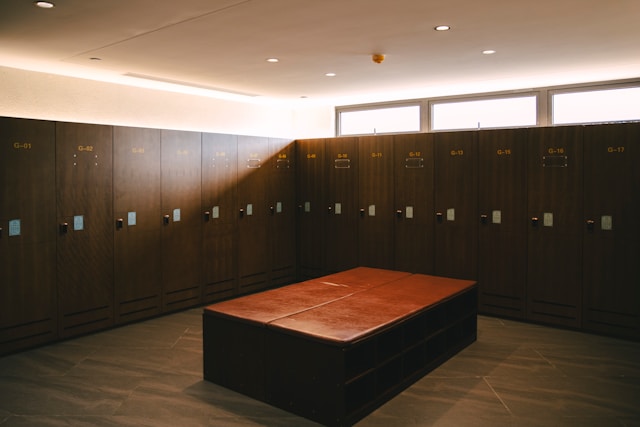
Okay, so I’ve been in this industry a while now. And honestly? Picking the right locker material trips up so many people. Like, way more than you’d expect. Whether you’re running a gym downtown or managing some huge school district, the material question keeps popping up. I remember talking to this facilities manager last year, who grabbed the cheapest lockers he could find. Six months later? Rust everywhere. Total mess.
Thing is, most folks walk into this decision thinking it’s simple. Just buy lockers, right? Nope. The right locker material depends on a dozen different factors. Your budget, obviously. But also where you’re putting them. How many people use them daily. Whether there’s moisture around. It gets complicated fast.
Why This Decision Matters More Than You’d Think
So here’s what nobody tells you. Lockers take an absolute beating. I mean, think about it for a second. Kids slam them shut between classes. Gym members shove sweaty gear inside without a second thought. Office workers cram bags and coats in there day after day. That’s thousands of open-close cycles every single year.
The right locker material handles all that abuse without falling apart. Pick wrong though, and you’re looking at dents, rust, weird smells, and broken hinges. I’ve seen brand new locker rooms look ten years old after just eighteen months. All because someone skimped on materials or didn’t think about the environment they were going into.
That’s actually why companies like ASI Storage Solutions spend so much time helping customers match materials to their actual needs. Because getting it wrong costs way more in the long run.
Breaking Down Your Three Main Options
Alright let’s get into the actual materials. You’ve basically got three choices out there. Metal, plastic, and phenolic. Each one’s got its own personality, if that makes sense. Different strengths, different weaknesses, different price points. Let me walk through them.
1. Good Old Metal Lockers
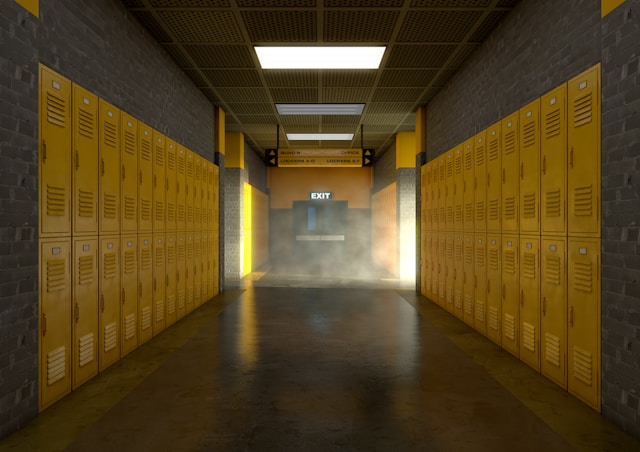
Metal’s the classic. You’ve seen these your whole life, probably. Schools, factories, old gyms. They’re everywhere because frankly they work. Steel construction, powder coated finish usually, tons of color options. Pretty affordable too, compared to the alternatives.
When does metal make sense? I’d say go this route when:
- Your space stays pretty dry most of the time
- Budget’s tight and you need quantity
- Security matters and you want that solid heavy feel
- You’re okay with some maintenance down the road
Now the catch. And yeah there’s always a catch. Metal rusts. Period. Doesn’t matter how good the coating is, if you put metal lockers next to a pool or in a steamy shower area, you’re asking for trouble eventually. I’ve literally watched rust bubbles form on lockers that were less than two years old. All because they got installed somewhere too humid. So that’s the tradeoff with choosing this as your right locker material.
2. Plastic Lockers (The HDPE Kind)
Plastic lockers used to have this cheap reputation. Like they were somehow lesser than metal. But man, that’s changed completely. Modern HDPE lockers are genuinely impressive. HDPE stands for high-density polyethylene by the way. Fancy name for really tough plastic that laughs at water.
These things literally cannot rust. Can’t happen, won’t happen. They don’t rot either. Or fade much. Or support mold growth. For wet environments, honestly there’s no comparison. The right locker material for anywhere near water is almost always plastic.
Consider plastic when you’ve got:
- Pool areas or shower rooms nearby
- High humidity that just won’t quit
- Zero interest in ongoing maintenance
- Need for those crazy long warranties
Speaking of warranties. ASI Storage carries plastic locker lines with 20-year coverage. Twenty years! That’s not marketing fluff either, they actually back it. Says something about how confident manufacturers are in this material lasting.
3. Phenolic – The Premium Player
Okay so phenolic. This is the expensive stuff. No way around that. But wow does it deliver. Phenolic lockers are made from layers of resin-infused paper compressed under ridiculous pressure and heat. End result is this super dense material that basically shrugs off everything.
Water? Doesn’t care. Impacts? Barely notices. Bacteria trying to grow on it? Good luck. The surface is so dense that germs can’t really get a foothold. Which makes it hugely popular in healthcare settings and high-end fitness clubs.
You’ll find phenolic working great in places like:
- Upscale fitness centers where members expect nice things
- Country clubs and resort spas
- Hospitals and medical facilities
- Corporate executive areas
- Anywhere aesthetics really matter
The design flexibility is nuts too. Wood grains, solid colors, custom finishes. If you’re trying to make a statement with your locker room, phenolic lets you do that. It’s probably the right locker material when image and durability both rank high on your list.
Matching Materials to Real-World Situations
Theory’s great and all, but let’s talk specifics. Different facilities have different needs. What works amazing in one spot might totally fail somewhere else. I’ve seen it happen too many times.
Schools and College Campuses
Kids are rough on stuff. Just accept it. Those hallway lockers get slammed, kicked, decorated with stickers, you name it. Metal usually handles this fine since hallways stay dry. Budget matters a lot in education too, so metal’s affordability helps stretch those dollars.
But here’s where schools mess up constantly. They put that same metal in the athletic wing. Near the pool. By the gym showers. Then act surprised when everything’s corroding within a few years. Different zones need different approaches. The right locker material changes based on where in the building you’re installing.
Fitness Centers and Health Clubs
Gyms are moisture factories. Sweat, showers, steam rooms, pool splash. Everything’s damp all the time basically. Metal in this environment is honestly just asking for problems. I’ve toured gyms where you could see rust trails running down from the locker vents. Not a good look when you’re charging monthly dues.
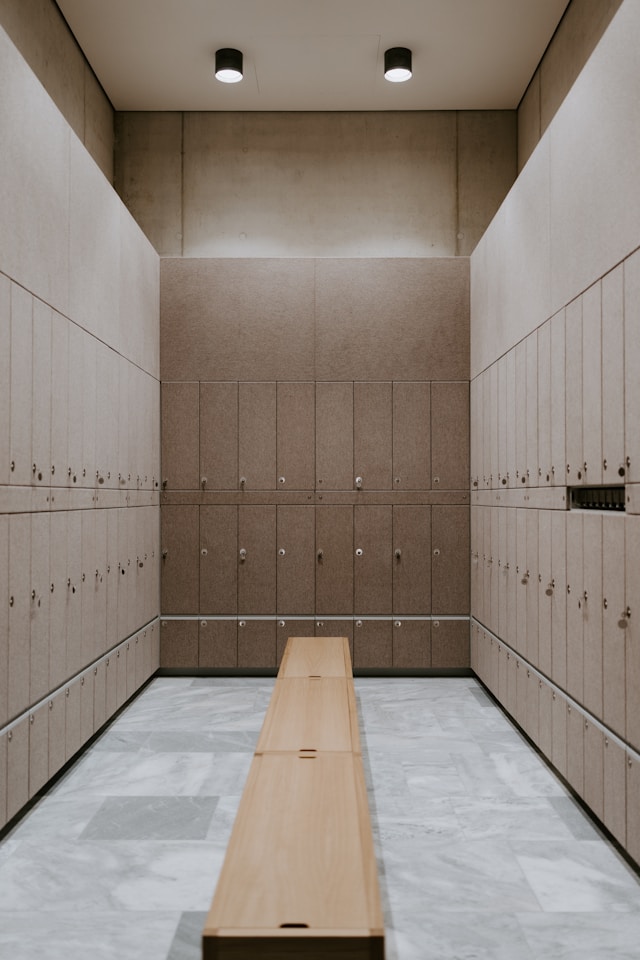
Plastic handles gym environments beautifully. Cleans up easy, stays looking fresh, never rusts. For budget-conscious fitness centers, HDPE is usually the smart call. Want to go upscale? Phenolic makes members feel like they’re getting something special. The right locker material for gyms depends partly on your market positioning.
Healthcare and Medical Facilities
Healthcare’s a whole different ballgame. Infection control dominates every decision. Staff lockers need to handle aggressive cleaning chemicals without degrading. They need to discourage bacterial growth. They need to look professional in what can be pretty stressful environments.
Phenolic wins here hands down for most situations. ASI Storage Solutions actually offers phenolic configurations with stainless steel hardware specifically designed for healthcare. That combination holds up to harsh disinfectants and constant cleaning. Finding the right locker material in medical settings means prioritizing hygiene above almost everything else.
Office Buildings and Corporate Spaces
Offices are honestly pretty easy compared to other environments. Things stay dry. Usage is moderate. Climate’s controlled. Metal works perfectly fine and keeps costs reasonable. The right locker material for standard office break rooms is usually steel.
That said, some companies want their spaces to impress. Tech startups with fancy offices. Law firms with mahogany everything. In those situations, phenolic lockers with wood-grain finishes can complement the overall design. It’s not always about pure function. Sometimes the lockers need to fit an image.
Questions to Ask Yourself Before Deciding
Look I could go on forever about material properties. But ultimately you need to figure out what matters most for your specific situation. Run through these questions honestly:
- What’s the moisture situation really like? Not what you hope it is. What it actually is. If there’s consistent humidity or water exposure, the right locker material isn’t metal. Simple as that.
- How much can you actually spend? Upfront cost matters but so does total ownership cost. Cheaper lockers that need replacing sooner might cost more long-term.
- How hard will people be on these things? Be realistic about usage patterns. High-traffic areas need materials that can take punishment without showing it.
- Does appearance matter to stakeholders? Sometimes yes, sometimes no. A warehouse break room has different aesthetic requirements than a luxury spa.
- Who’s doing maintenance and how often? If the answer is basically nobody, you want plastic or phenolic. Metal needs attention over time.
- What warranty length makes you comfortable? Metal typically covers 2 years. Plastic and phenolic often go 20. That difference says something about expected lifespan.
Don’t Forget About Construction Quality
Here’s something people overlook constantly. The material type matters, sure. But construction quality within each material category varies hugely. Not all metal lockers are created equal. Same goes for plastic and phenolic.
Take steel for example. You’ll see specs like 14 gauge, 16 gauge, 24 gauge. Lower numbers mean thicker steel. A locker with 14 gauge doors holds up way better than one with thin 24 gauge panels everywhere. ASI Storage uses heavy gauges where it counts, 14 and 16 gauge steel in high-impact areas. That’s part of finding the right locker material, making sure the construction backs up the material choice.
Same principle applies to plastic. Cheap HDPE lockers exist. They’re thinner, flimsier, more prone to warping over time. Quality HDPE uses thicker panels, better hardware, sturdier hinges. You get what you pay for basically.
Ventilation Isn’t Just Nice to Have
Almost forgot to mention this. Ventilation. People stuff all kinds of things in lockers. Gym bags that smell like a biohazard. Work boots that’ve seen better days. Lunch containers forgotten over long weekends. Without airflow, lockers become smell traps.
Metal lockers can come with louvered vents or perforated panels. Some designs have diamond-shaped cutouts that let air move. Plastic lockers usually offer slotted ventilation options. Phenolic typically uses perimeter gaps around the doors.
Whatever material you land on, make sure adequate ventilation comes with it. The right locker material paired with poor ventilation still creates problems. Both factors need consideration.
Colors and Customization These Days
Quick note on aesthetics because people always ask. All three material types come in multiple colors now. We’re not stuck with boring gray anymore thank goodness. Metal typically offers 15 plus color options. Plastic runs around 10 usually. Phenolic goes even further with solid colors and realistic wood grain patterns.
Point being, color availability shouldn’t drive your material decision. Function first. Then find colors that work within that functional choice. The right locker material gets determined by performance needs, styling comes after.
Timeline Considerations Worth Knowing
Something practical to keep in mind. Different materials have different lead times typically. Metal lockers often ship fastest. ASI Storage can actually get certain metal configurations out the door in 48 hours, which is pretty remarkable when you need lockers yesterday.
Plastic and phenolic usually take longer to manufacture. If you’re on a tight construction timeline, that matters. Plan accordingly. Though honestly, taking extra time to get the right locker material beats rushing into a wrong decision you’ll regret for years.
Pulling This All Together
So where does this leave you? Hopefully with a clearer picture of what’s out there and what might work for your situation. Metal for dry, budget-conscious applications. Plastic for wet environments and low maintenance needs. Phenolic for premium aesthetics and maximum durability.
None of them are wrong choices in absolute terms. They’re just right or wrong for specific contexts. The trick is matching material properties to environmental demands. Do that well and your lockers serve you for decades without drama.
My honest suggestion? Talk to people who do this every day. The team at ASI Storage Solutions has seen pretty much every scenario imaginable. They can spot issues you might miss and recommend solutions that actually fit. Finding the right locker material gets a lot easier with experienced guidance.
Common Questions About Locker Materials
What locker material handles humidity best?
HDPE plastic and phenolic both handle humidity like champs. Neither will rust, rot, or degrade from moisture exposure. For consistently humid environments like pool areas or steamy locker rooms, these are your only real options. Metal will eventually fail in those conditions no matter how good the coating claims to be. The right locker material for humid spaces simply isn’t steel.
How many years should I expect different locker materials to last?
Warranties tell part of the story. Metal lockers typically come with 2-year coverage, though they often last 10-15 years in appropriate conditions with decent maintenance. Plastic and phenolic regularly carry 20-year warranties and frequently exceed that in actual service. Environment matters hugely though. The right locker material in the wrong environment fails faster regardless of theoretical lifespan.
Can plastic lockers really compete with metal on strength?
Honestly yes. Quality HDPE is remarkably tough. It resists impacts without denting like metal does. It flexes slightly under stress rather than permanently deforming. Over time, plastic often looks better than metal that’s accumulated dings and scratches. The right locker material for durability isn’t automatically the heaviest option.
Which material needs the least upkeep?
Plastic and phenolic are basically maintenance-free. Wipe them down occasionally and you’re done. No rust prevention needed. No repainting. No special treatments. Metal requires more attention, especially in less than ideal environments. If your maintenance staff is already stretched thin, the right locker material is probably not steel.
What should schools choose for their lockers?
Depends on location within the school. Hallway lockers in dry corridors? Metal works great and stretches budgets. Lockers near pools, gyms, or shower facilities? Switch to plastic. Many schools actually use both, which makes sense. The right locker material varies by zone even within a single building.
Is phenolic worth the extra cost?
For certain applications absolutely. Phenolic delivers unmatched aesthetics and durability. It resists bacteria which matters in healthcare. It handles extreme conditions without flinching. Spread the higher upfront cost across a 20 plus year lifespan and it often works out cheaper than replacing cheaper lockers multiple times. The right locker material sometimes means investing more initially to save long-term.
How do I figure out which material fits my specific facility?
Start by honestly assessing your environment. Moisture levels, usage intensity, maintenance capacity, budget reality, aesthetic requirements. Then match those factors against material strengths. When in doubt, consult with specialists. Companies like ASI Storage Solutions evaluate facilities and recommend appropriate solutions regularly. Getting expert input helps ensure you land on the right locker material without expensive trial and error.
Ready to figure out what works for your space? Reach out to ASI Storage Solutions and get recommendations tailored to your actual situation.

Tina Johnson helped bring The Marketing Folks from a-weekly newsletter to a full-fledged news site by creating a new website and branding. She continues to assist in keeping the site responsive and well organized for the readers. As a contributor to The Marketing Folks, Tara mainly covers industry new.
 User-generated content