
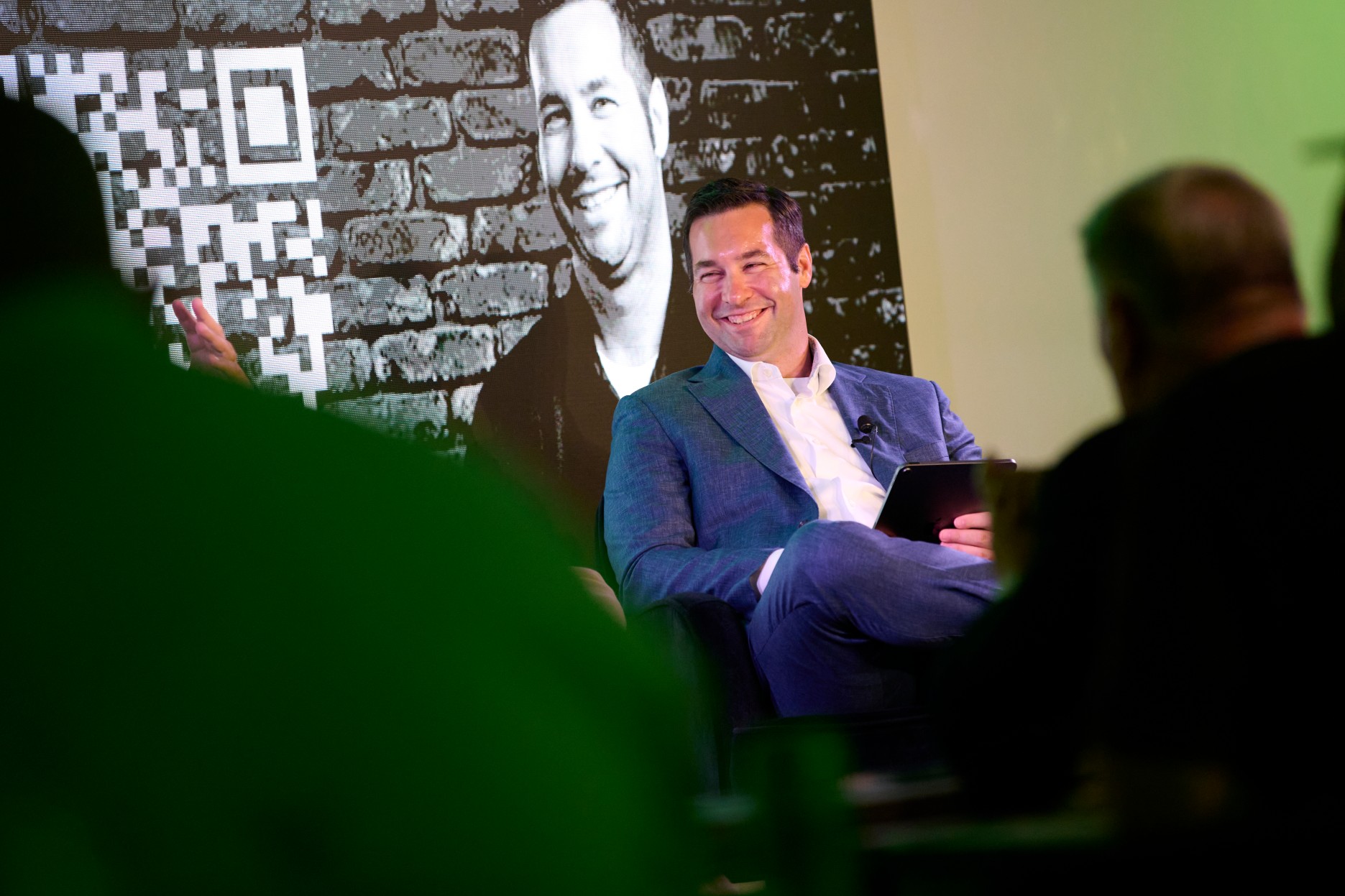
- Galen M. Hair Says the Families Who Recover Fastest Are the Ones Who Planned Before They Had To
- Insurance Claim HQ on Why Every Homeowner Needs a Hurricane Plan Before the Next Storm Forms
- Galen M. Hair and Insurance Claim HQ Explain Why Preparation Beats Reaction Every Hurricane Season
Emergency management professionals operate under a principle that most homeowners have never heard: people do not rise to the occasion during a crisis. They fall back on their training, their preparation, and whatever systems they put in place before the emergency began. When no system exists, the default is confusion, delayed decisions, and costly mistakes made under pressure.
That principle applies directly to hurricane season. Many families assume they will figure things out when a storm approaches. Galen M. Hair, founder and managing partner of Insurance Claim HQ, has watched that assumption fail thousands of times. Since launching the firm in 2020, he has secured hundreds of millions for policyholders across the country recovering from hurricanes, fires, floods, and structural damage. The pattern he sees every season is consistent: the families who recover most strongly are the ones who built a plan before they thought they needed one.
A Plan Covers Far More Than the Storm Itself
When most people think about hurricane preparation, they think about plywood and bottled water. Those steps matter, but a complete plan reaches much further. Evacuation routes should be mapped in advance for every member of the household, with alternates identified in case primary roads are closed or flooded. Important documents, including insurance policies, property deeds, birth certificates, and medical records, should be gathered, copied, and stored digitally in a location accessible from anywhere.
Medications and medical equipment need to be accounted for with enough supply to cover several days of displacement. Families with members who rely on prescription refills, oxygen, or mobility aids cannot afford to sort those logistics while a storm is bearing down. Communication plans should be established so that every family member knows whom to contact, where to meet, and what to do if cell service is lost. Pet care arrangements deserve the same attention, since many emergency shelters do not accept animals and last-minute boarding fills up quickly once a storm is in the forecast.
Home protection measures round out the plan. Shuttering windows, securing outdoor furniture, reinforcing garage doors, and shutting off utilities all take time. When these tasks are mapped out in advance with materials already on hand, homeowners can move through them calmly rather than scrambling in the final hours before landfall.
Why Plans Fail When They Only Exist in Someone’s Head
Stress and uncertainty degrade decision-making. That is not opinion. It is well documented in emergency response research and military training. A homeowner who has never written down their evacuation route, never confirmed whether their insurance policy covers flood damage separately from wind, and never organized their critical documents is operating without a system. When the storm warning arrives, and the pressure escalates, the gaps in that non-plan become the gaps in their recovery.
A 2024 Weiss Ratings study found that 42 percent of homeowners insurance claims nationwide were closed without any payment. A significant portion of those outcomes connect to documentation that was never collected, coverage that was never reviewed, and deadlines that were missed because no one had a system for tracking them. The plan does not need to be perfect. It needs to exist. The goal is reducing uncertainty when conditions turn chaotic, and even a basic written checklist outperforms an improvised response under stress.
Galen’s firm handles claims across several states, and his team consistently sees stronger recoveries from policyholders who had their documents organized, their property photographed, and their coverage reviewed before the storm arrived. Insurance Claim HQ publishes free resources through its storm damage resource center and its Picking Up the Pieces guide to help homeowners build that foundation while there is still time.
Preparation Is the Best Legal Strategy
The connection between disaster planning and insurance outcomes is direct. Homeowners who photograph their property before a storm have evidence that adjusters cannot dispute. Families who have read their policy know exactly what is covered and what is excluded, which means they catch underpayments early rather than accepting them by default. People who have identified legal counsel in advance engage that support before the insurer sets the terms, rather than after critical deadlines have already passed.
Insurance Claim HQ offers free case evaluations and publishes educational videos that walk homeowners through the claims process. Galen also urges every household to confirm that emergency alerts are activated on their phones and connected to local authority notifications. Tropical Storm Arthur proved in June how quickly a system can escalate, and those alerts provide the early warning that a good plan is designed to act on.
“Navigating the complexities of insurance can be overwhelming, but with the right guidance, claimants can level the playing field,” Galen says.
Hurricane season runs through November 30. The storms are coming. The difference between a smooth recovery and a denied claim often comes down to whether a family had a plan in place before the first advisory was issued. Building that plan today costs nothing. Skipping it can cost everything.
About Insurance Claim HQ
Insurance Claim HQ is a premier property casualty insurance law firm powered by Hair Shunnarah Trial Attorneys and headquartered in Metairie, Louisiana. With hundreds of millions recovered for thousands of clients, the firm brings years of legal experience and unmatched insight into how insurers operate. Discover how they fight for policyholders at www.insuranceclaimhq.com

Tina Johnson helped bring The Marketing Folks from a-weekly newsletter to a full-fledged news site by creating a new website and branding. She continues to assist in keeping the site responsive and well organized for the readers. As a contributor to The Marketing Folks, Tara mainly covers industry new.